Five Megabytes Changed the Shape of a Computer
· zaigon9
Five megabytes changed the shape of a computer.
ARCHIVE SIGNAL · 1980 → 2026 · CEREAL COMPUTER // RECORDS LAB
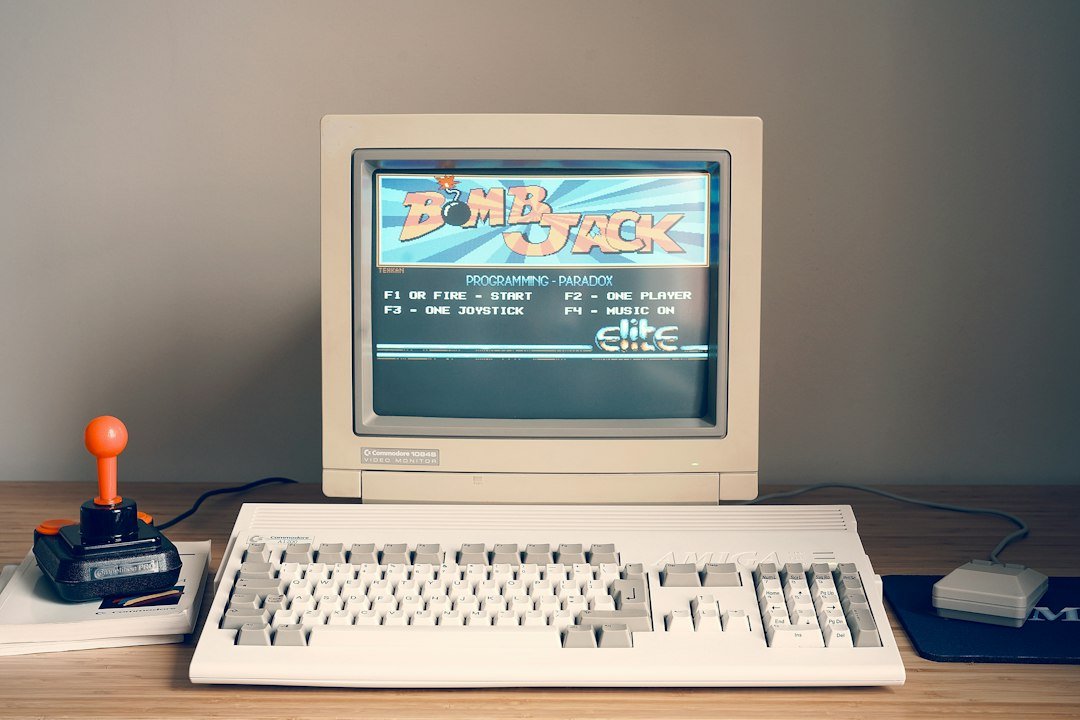
WHAT WAS IN THE BOX
In 1980, Seagate introduced the ST506, described by the Computer History Museum as the first hard-disk drive for microcomputers. It stored five megabytes—five times the capacity of a standard floppy disk at the time—and fit in the physical space of a 5¼-inch floppy drive.
Five megabytes sounds microscopic now. At the time, the shift was conceptual: a personal computer could keep a meaningful body of software and information close at hand rather than treating every session as a sequence of removable disks.
THE SPACE BETWEEN
The ST506 and today’s on-device AI chips are separated by forty-six years, but they carry the same promise: move an important capability inside the personal machine. First it was durable storage. Now it is inference.
Each step changes behavior. When storage became local, people accumulated files. When intelligence becomes local, people may accumulate private models, personal context and automated routines that belong to the device rather than an account in the cloud.
Old machines make technological thresholds visible. Five megabytes once felt like a new kind of freedom.
Leave a Reply